
The Future of Commercial Window Coverings in the U.S. and Canada

In the evolving landscape of commercial design, window coverings have transcended their traditional roles of providing privacy and light control. Today, they are integral to sustainability initiatives, technological advancements, and aesthetic preferences. As businesses in the U.S. and Canada adapt to these changes, understanding the emerging trends and regulatory landscapes becomes crucial. The right window coverings can improve energy efficiency, align with safety regulations, and create an optimal working environment while enhancing a building’s overall design.

Sustainability: Eco-Friendly Materials and Energy Efficiency
Environmental consciousness is at the forefront of modern design, influencing the selection of materials and products in commercial spaces. In 2025, sustainable window treatments are gaining prominence,
with materials like organic cotton, bamboo, and recycled fabrics becoming popular choices. These materials not only reduce environmental footprints but also introduce natural textures and warmth to interiors. Additionally, manufacturers are adopting more eco-friendly production processes, reducing emissions, and minimizing waste.
Beyond materials, energy-efficient window coverings play a pivotal role in regulating indoor temperatures, thereby reducing reliance on HVAC systems. Products such as insulated blinds and cellular shades are designed to minimize heat loss during winters and heat gain during summers. Studies have shown that cellular shades can reduce heat loss through windows by up to 40% in winter and heat gain by up to 80% in summer. In commercial buildings, where energy consumption is a significant cost factor, the right window treatments can lead to substantial savings on heating and cooling expenses while supporting environmental initiatives.
Another aspect of sustainability is the push for low-VOC (volatile organic compound) materials, which contribute to better indoor air quality. Many commercial spaces, including hospitals and schools, are prioritizing window treatments made from non-toxic materials to create healthier environments for occupants. This shift towards sustainable design reflects the growing demand for products that balance performance with eco-consciousness.
Automation: Integrating Smart Technologies
The integration of smart technologies into window coverings is revolutionizing how commercial spaces manage light and energy. Motorized blinds and shades that can be controlled remotely or programmed to adjust based on the time of day are becoming standard in modern offices and commercial establishments. This automation enhances convenience and contributes to energy efficiency by optimizing natural light usage and reducing the need for artificial lighting.
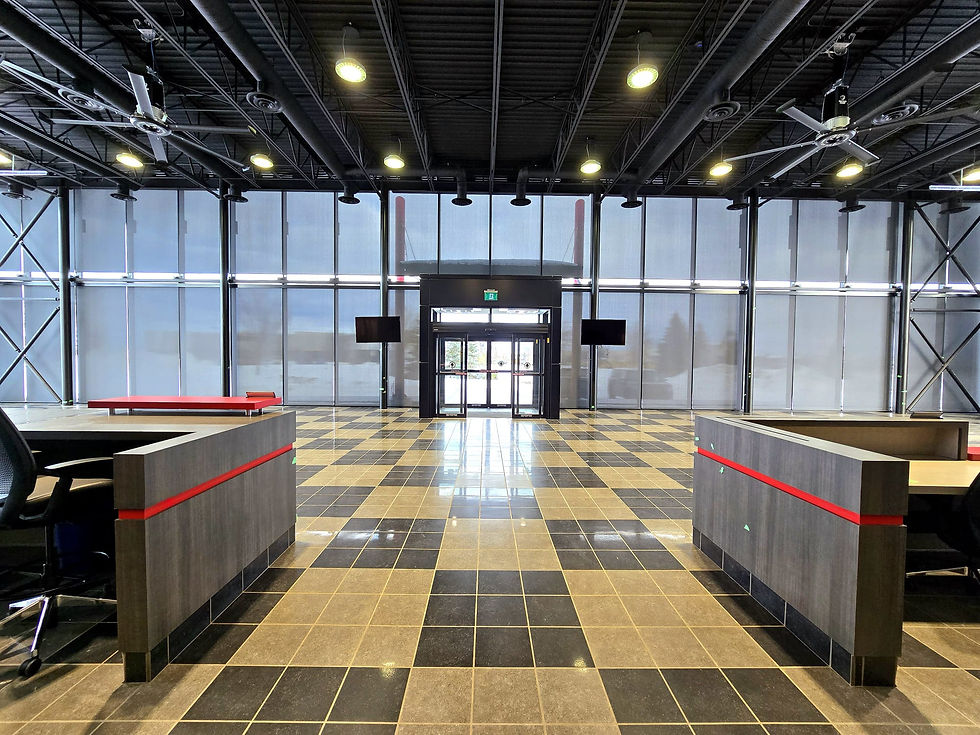
As the Internet of Things (IoT) continues to expand, window coverings that sync with other smart devices are emerging. For instance, shades that adjust in response to indoor temperature sensors can maintain optimal thermal comfort while minimizing energy consumption. This level of integration not only improves occupant comfort but also aligns with broader sustainability goals. Additionally, smart tinting glass is gaining traction, allowing commercial buildings to switch between transparency and opacity, reducing the need for additional window treatments while maintaining privacy and glare control.
Automation also plays a role in improving security. Motorized window treatments can be programmed to close at specific times, enhancing privacy and deterring potential intrusions. This is particularly beneficial for commercial spaces such as banks, law firms, and medical facilities, where confidentiality and security are priorities.
Design Preferences: Minimalism and Natural Elements

Contemporary design trends in commercial spaces favor minimalism and the incorporation of natural elements. Window treatments are reflecting this shift, with clean lines, neutral colors, and natural materials becoming prevalent. Bamboo shades and wooden blinds are favored for their eco-friendly appeal and ability to introduce organic charm into workplaces.
Additionally, the trend of layering different window treatments is gaining traction. Combining sheer curtains with heavier drapes allows for versatile light control and adds depth to interior designs. This approach caters to both functional needs and aesthetic desires, enabling businesses to create inviting and adaptable environments.
Incorporating biophilic design elements into commercial spaces is also becoming a key focus. Natural light, when harnessed correctly, can enhance employee well-being, boost productivity, and create a more welcoming atmosphere. Window treatments that optimize daylight while minimizing glare are now a fundamental aspect of commercial design strategies.
Regulatory Landscape: Ensuring Safety and Compliance
Safety regulations surrounding window coverings have become more stringent in recent years, particularly concerning corded designs. In Canada, the Corded Window Coverings Regulations (CWCR) under the Canada Consumer Product Safety Act came into force on May 1, 2021. These regulations restrict the length of reachable cords and the size of loops that can be created, aiming to eliminate the strangulation hazard associated with corded window coverings.
Similarly, in the United States, the Consumer Product Safety Commission (CPSC) has proposed rules requiring that operating cords on custom window coverings be cordless, inaccessible, or limited in length to prevent child strangulation incidents. These regulations necessitate that businesses and manufacturers adapt their products to comply with safety standards, influencing the design and functionality of window treatments in commercial settings.
In addition to child safety regulations, fire-retardant window treatments are becoming more widely used in commercial settings, particularly in high-risk environments such as hotels, hospitals, and educational institutions. Fire-resistant fabrics and materials help reduce fire hazards while maintaining aesthetic and functional integrity.
Climate Considerations: Tailoring Solutions to Environmental Needs
The diverse climates across the U.S. and Canada necessitate tailored window covering solutions to enhance energy efficiency and occupant comfort. In colder regions, insulated window treatments are essential to prevent heat loss. Cellular shades, for example, trap air within their structure, providing an additional layer of insulation that keeps interiors warmer during harsh winters.

Conversely, in warmer climates, window coverings that reflect sunlight and reduce heat gain are crucial. Solar shades, designed to block harmful UV rays while maintaining visibility, help keep interiors cool and protect furnishings from sun damage. By selecting appropriate window treatments, businesses can significantly reduce energy consumption associated with heating and cooling, leading to cost savings and a reduced environmental footprint.
Another factor to consider is latitude. The further north a building is located, the greater the variance in daylight hours throughout the year. Window treatments that maximize daylight in winter while providing effective shading in summer can help businesses take full advantage of natural light, reducing energy usage while improving indoor comfort.
Embracing the Future of Window Coverings

The future of commercial window coverings in the U.S. and Canada is being shaped by a confluence of sustainability initiatives, technological advancements, evolving design preferences, regulatory changes, and climate considerations. Businesses that embrace these trends are not only enhancing the functionality and aesthetics of their spaces but also contributing to broader environmental and safety goals.
As the industry continues to innovate, the adoption of eco-friendly materials, smart automation, and compliant designs will become increasingly prevalent. By staying informed and adaptable, businesses can ensure their commercial spaces remain modern, efficient, and aligned with the evolving landscape of window covering solutions. Whether it’s a corporate office integrating smart blinds, a hotel seeking fire-resistant drapery, or a hospital selecting antimicrobial shades, the choices made today will influence how commercial environments function for years to come.
For businesses looking to upgrade their commercial window coverings, working with an expert provider like Vanguard Specialty Products ensures that every project meets industry standards, design expectations, and long-term efficiency goals. As we continue to expand our presence across the U.S. and Canada, we remain committed to helping businesses make informed decisions that enhance their spaces while supporting sustainability and innovation.


Comments